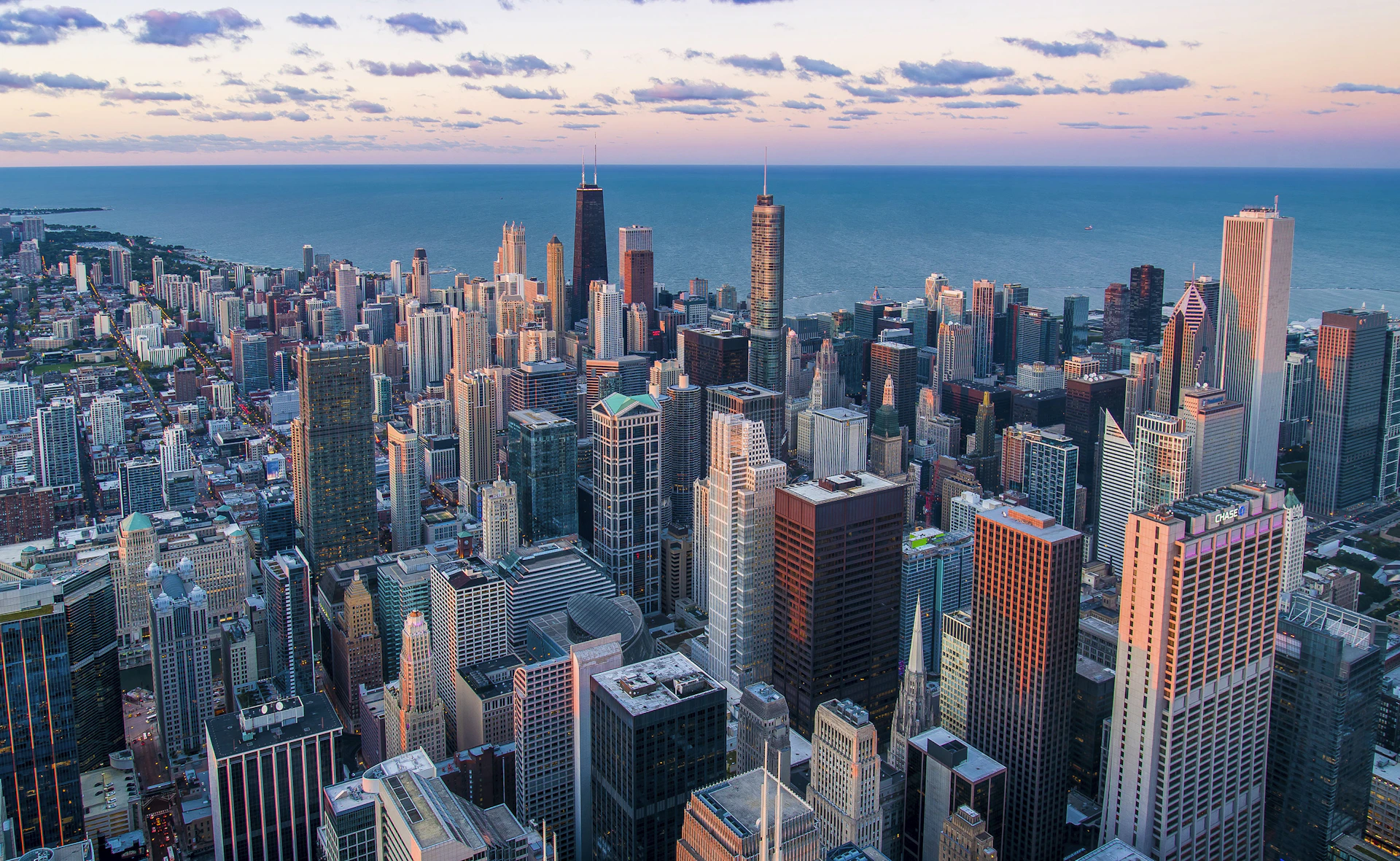
Wrigleyville
Baseball, beer gardens, and brownstones where the bleachers meet the boulevards
Chicago, IL Real Estate
—
Active Rentals
—
Median Rent
—
Homes for Sale
—
Median Home Price
—
Active Rentals
—
Median Rent
—
Homes for Sale
—
Median Home Price
The Neighborhood
Baseball, beer gardens, and brownstones where the bleachers meet the boulevards
Known for
Market Trends
Wrigleyville Market Overview
Abode Rent Index
How Wrigleyville rents are trending
From leased listings, through July 2026
- Year over year
- +11.9%
- Vs. Chicago median
- +11%

Abode Exclusive Rentals
Apartments for rent in Wrigleyville
For Sale
Homes for sale in Wrigleyville, Chicago
Location
Wrigleyville in Chicago
About Wrigleyville
Wrigleyville, Chicago, IL lives and dies by the Cubs schedule. Red-brick three-flats and greystones line Addison, Sheffield, and Waveland, their porches close enough to hear vendors hawking scorecards on game days. The neighborhood wraps around Wrigley Field like ivy on outfield walls — dense, loyal, impossible to separate from its anchor. Between games, tree canopy shades residential blocks where century-old apartments outnumber new construction by a comfortable margin.
Clark Street runs the length of the neighborhood like a spine of neon and chalkboard menus. You'll find sports bars next to ramen shops next to vinyl record stores — Nisei Lounge for Japanese whiskey, The Gingerman Tavern for craft beer without the bro energy, Smart Bar underneath Metro for late-night electronic sets. Southport Corridor branches west with boutiques and brunch spots that draw crowds on weekends. The 606 trail's eastern terminus sits blocks away, connecting you to Bucktown and Logan Square by bike. Red and Purple Line trains stop at Addison and Sheridan, putting you downtown in twenty minutes.
Rental apartments in Wrigleyville dominate the housing stock — vintage walkups with hardwood floors, bay windows, and radiator heat that cranks too hot in March. You'll also find newer mid-rise condos closer to the lake, plus the occasional rehabbed single-family tucked on quieter streets like Cornelia or Kenmore. Rent fluctuates with proximity to the ballpark: expect premium pricing within earshot of "Take Me Out to the Ball Game," better deals as you move toward the Sheridan corridor. Homes for sale in Wrigleyville come up less frequently but tend to be brick two- and three-flats with income potential from garden units. This is where you live if you want walkability, transit access, and the particular kind of neighborhood energy that comes from 40,000 people streaming past your front door eighty-one times a year.
Frequently Asked Questions
About Living in Wrigleyville
Wrigley Field defines the neighborhood — home of the Cubs since 1914, the hand-operated scoreboard, and ivy-covered outfield walls. Beyond baseball, Wrigleyville is known for Clark Street's bar scene, the Music Box Theatre's indie film programming, and quick lakefront access via Addison or Belmont Harbors.
Wrigleyville's housing leans heavily toward rental apartments in vintage brick walkups — two- and three-flats built in the early 1900s with original woodwork and bay windows. You'll also find newer condo buildings along the lakefront corridors, plus occasional rehabbed single-family homes on residential side streets. Mid-rise rentals with amenities cluster near Sheridan and Broadway.
Wrigleyville works well for renters who want CTA access (Red, Brown, Purple lines), walkable nightlife, and proximity to the lake. Game days bring crowds and noise — factor that into your block choice. Rents run higher near the ballpark, more reasonable as you move toward Uptown or Lakeview borders. Grocery options include Jewel-Osco on Addison and Trader Joe's just south in Lakeview.
Wrigleyville sits between the Lakefront Trail (reachable via Addison or Belmont), Southport Corridor's shopping district to the west, and Boystown's Halsted Street scene to the south. Restaurants include Crisp for Korean fried chicken, John's Place for diner breakfast, and HopLeaf for Belgian beer and mussels. Lincoln Park and the 606 trail are both within biking distance.
Explore Nearby
Neighborhoods near Wrigleyville
Ready to explore
Wrigleyville?
Connect with an Abode agent who knows Wrigleyvilleinside and out — from the best streets to the hidden gems.